This final portfolio reflects on my learning in EDCI 337 and explains how I met the course learning outcomes through my blog posts and multimedia projects. During the course, I created several artifacts, including Daily Creates, a multimedia story draft, and a final multimedia story project. My most important project was League of Legends MSI Live Experience: An Immersive Esports Adventure, because it allowed me to connect my personal interest in esports with course concepts such as multimedia learning, storytelling, active learning, design thinking, and cognitive load.
Before taking this course, I often thought of multimedia mainly as a way to make content more attractive. However, I now understand that multimedia design is not only about appearance. It is about helping people learn, pay attention, remember information, and connect ideas with experience. In this portfolio, I will explain how my work demonstrates each learning outcome, what challenges I faced, and how this learning may help me in the future.
- Contextualizing How Learning Informs Interactive and Multimedia Experiences
One of the most important ideas I learned in this course is that multimedia experiences should be designed around how people learn. The course materials on cognitive load theory helped me understand that learners have limited working memory. If a multimedia project contains too much unrelated information, the audience may feel confused or overwhelmed. Because of this, effective multimedia design should reduce unnecessary cognitive load and help learners focus on the main message.
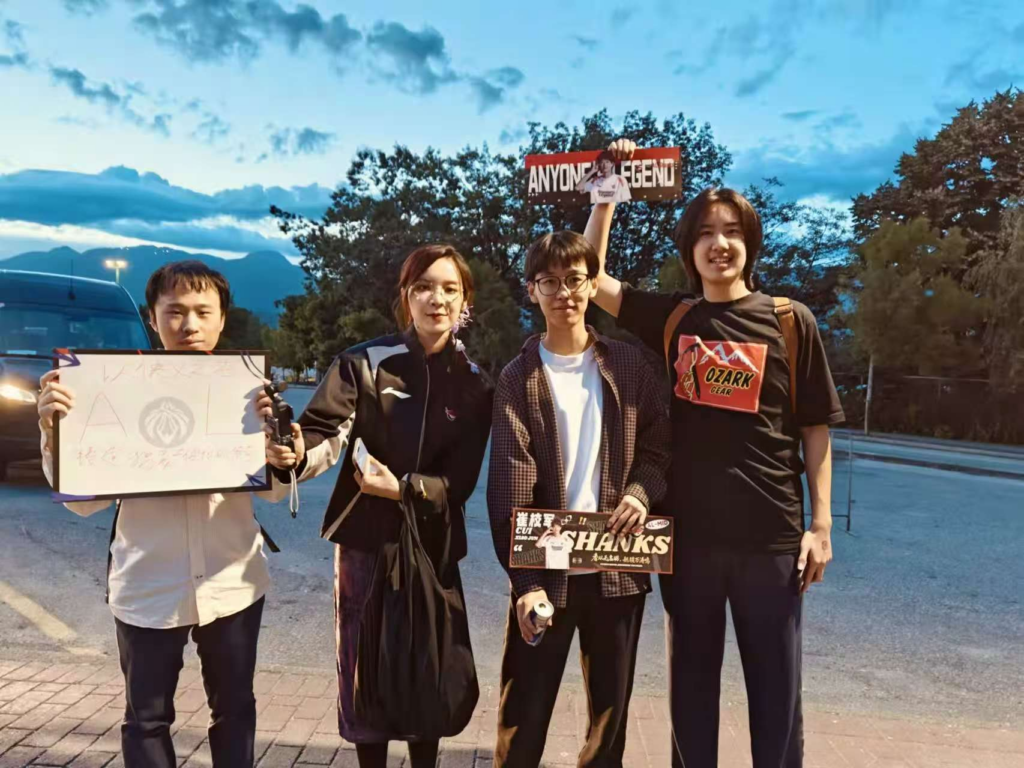
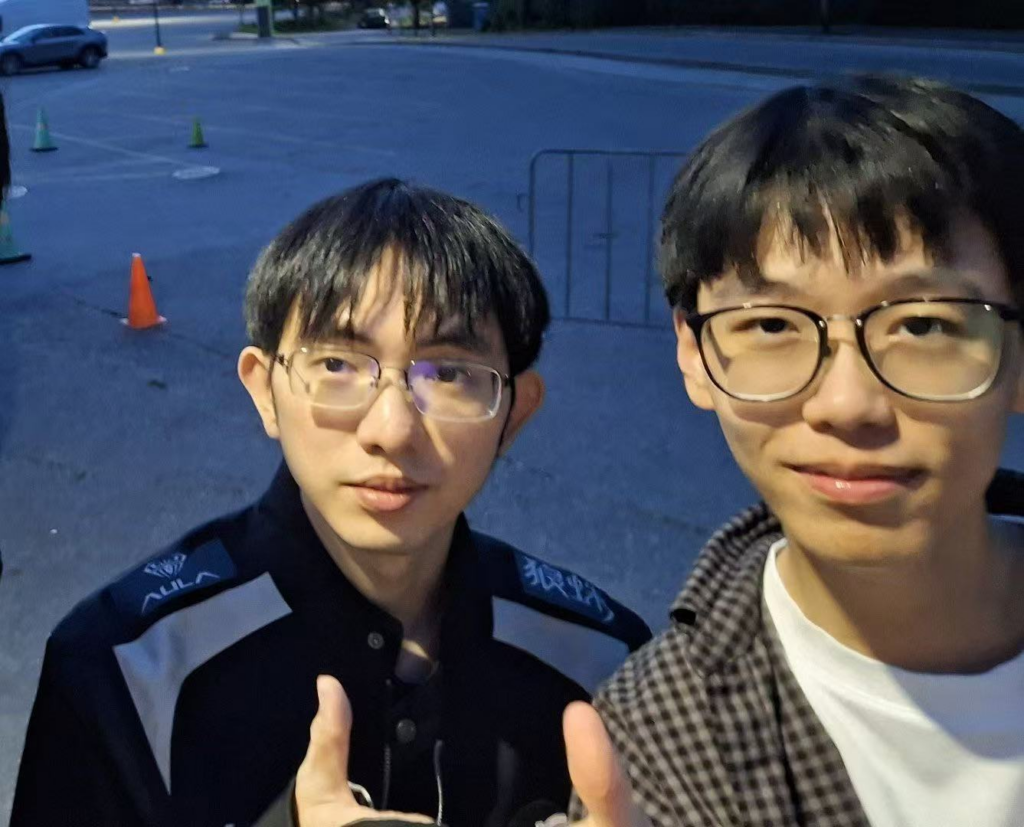
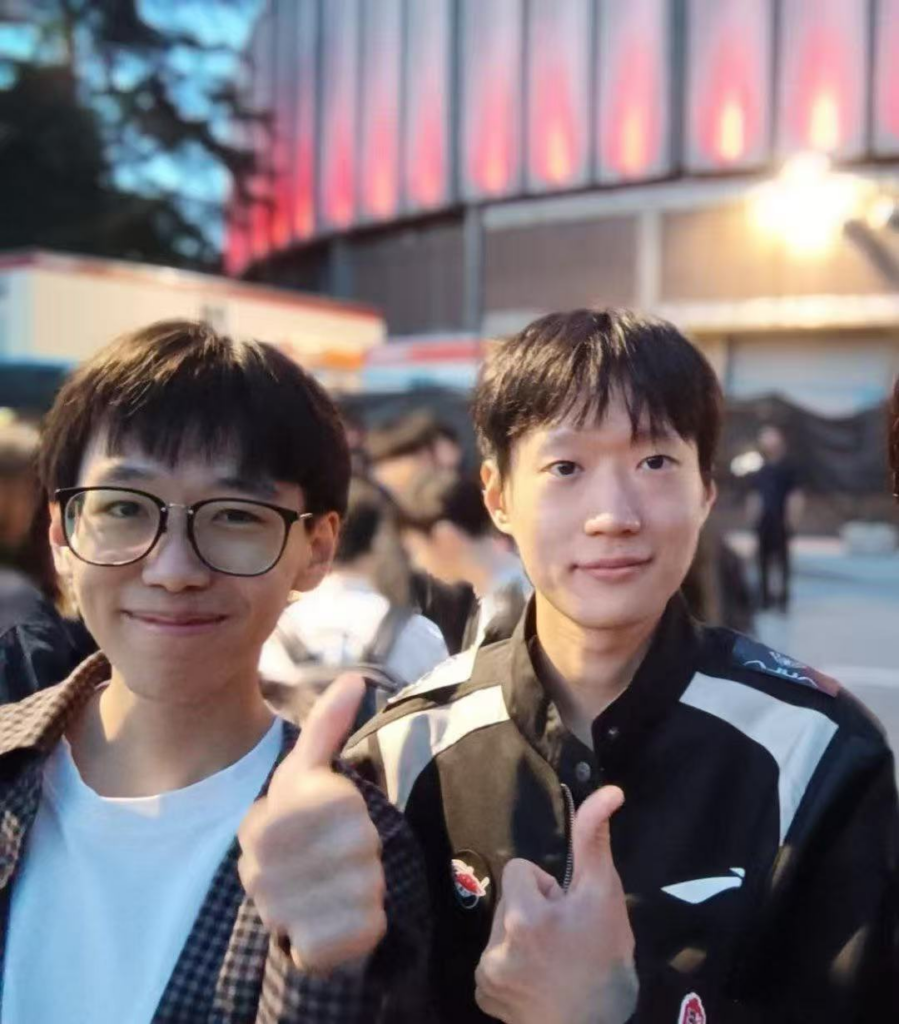
I applied this idea in my Multimedia Story Project: League of Legends MSI Journey. My target audience was classmates who might not know much about esports or live gaming events. Therefore, I could not assume that they already understood why attending MSI felt exciting and meaningful. I needed to create context. I described the anticipation before the match, the process of entering the venue, the sound and energy inside the arena, the match highlights, and the post-match experience of meeting Flandre from Team AL.
This project helped me understand that learning can happen through personal experience when that experience is clearly organized and explained. My MSI story was not only a fan report. It became a multimedia learning experience about esports culture, live event atmosphere, and the emotional connection between fans and players.
I also explored this outcome through my Daily Create Video: Make the Dullest Video Evah. The video was intentionally boring: a short clip from the No. 351 bus when it broke down and made a strange rumbling noise. Even though the video itself was simple, it showed me that media can still communicate mood and context. A dull moment can become meaningful when it is framed with reflection.
- Applying Multimedia Design Principles
Mayer’s multimedia learning principles were some of the most useful ideas I learned in this course. I especially applied the Multimedia Principle, Coherence Principle, and Spatial Contiguity Principle in my MSI project.
First, I used the Multimedia Principle by combining text, photos, and video in the original project. Instead of only telling readers that the event was exciting, I used different media to help them imagine the environment. This helped me understand that multimedia can support learning by giving the audience multiple ways to process information.
Second, I used the Coherence Principle when planning and editing the project. The original event included a lot of noise, movement, and repeated moments. If I had included everything, the story would have become too long and distracting. I made choices about what to keep and what to remove. I focused on important moments, such as the crowd, the stage, the match atmosphere, and the post-match memory. This helped keep the story clear and reduced unnecessary information.
Third, I used the Spatial Contiguity Principle in the way I organized the original post. I placed related media close to the text it supported. This made the story easier to follow because readers could connect each part of the description with the relevant evidence. Through this process, I learned that multimedia design is not just about adding more content. It is about arranging content in a way that supports understanding.
- Engaging in Design Thinking to Create Multimedia Learning Projects
My multimedia story also demonstrates design thinking. In the draft stage, I created an expedition plan for the MSI project. I identified the destination, equipment, safety concerns, story structure, and media formats. This planning process helped me move from a general idea to a more organized project.
The course design process included understanding, planning, trying, and reflecting. I followed these steps throughout the project. First, I tried to understand the design problem: how could I communicate the excitement of an esports event to people who had never experienced one? Then I planned a chronological structure: pre-match gathering, entering the venue, match highlights, and post-match memory. During the event, I followed my plan by collecting material only at specific moments, so I could still enjoy the match. Afterward, I reflected on what worked and what I could improve.
This process also involved both divergent and convergent thinking. At the beginning, I had many possible directions. I could focus on the players, the crowd, the venue, the technical side of the event, or my personal feelings. Later, I narrowed the project into a clear journey structure. This helped me connect my personal experience with course concepts in a more focused way.
- Applying Storytelling Principles in Creating Learning Opportunities
The storytelling module helped me understand that stories can make learning more memorable because they create emotion, context, and meaning. In my MSI project, I used a journey structure. The story began with anticipation outside the venue, moved into the transition of entering the arena, reached a climax during the match, and ended with the meaningful memory of meeting Flandre.
This structure helped the project feel like an experience rather than a simple report. I used sensory details such as loud music, bright lights, crowd cheers, and the feeling of excitement. These details were important because they helped readers imagine the event even if they had never attended an esports match before.
I also practiced storytelling in my Daily Create Text: Gumption Looks Like NiKo. In that poem, I connected the word “gumption” with NiKo’s persistence, pressure, failure, and final success. Instead of defining gumption directly, I used a story of struggle and belief to show what the word means. This helped me understand the storytelling principle of “show, don’t tell.”
My Daily Create Image: Meaningful Object also used storytelling. I wrote about my AL Shanks poster and explained how it represents passion, confidence, and the courage to keep chasing something I care about. This showed me that even a simple object can become meaningful when it is connected to memory and reflection.
- Describing and Applying Principles of Effective Interactive Multimedia Design
This course also helped me understand active learning and interactive multimedia design. Active learning means that learners are not only receiving information; they are participating, reflecting, and applying ideas. The ICAP framework and Merrill’s First Principles of Instruction helped me understand that effective learning should activate prior knowledge, demonstrate new knowledge, allow learners to apply it, and help them integrate it into their own world.
My blog posts were a form of active learning because I was not only reading course materials. I had to apply the concepts to my own projects. For example, in the MSI project, I did not only describe what happened at the event. I also explained why I made certain design choices and how those choices connected to Mayer’s principles. This required me to move from passive reading to active application.
The WordPress format also supported learning because it allowed me to publish my work and organize it for an audience. If I continued improving the MSI project, I would add more interactive elements, such as short reflection questions before and after the story. For example, I could ask readers what they already know about esports before reading, and then ask how their understanding changed afterward. This would make the project more interactive and learner-centered.
- Generating Prototype Artifacts
Throughout the course, I created several prototype artifacts. These included a short video, an image-based post, a poem, a multimedia story draft, and a final multimedia story project. The Daily Creates were especially helpful because they encouraged quick experimentation rather than perfection.
The Daily Create Video helped me practice capturing a moment with sound and movement. The Daily Create Image helped me connect visual media with personal meaning. The Daily Create Text helped me practice emotional storytelling through a short poem. The Multimedia Story Draft helped me plan a larger project before completing the final version. The final MSI project became a more complete prototype that combined personal experience, storytelling, and multimedia design principles.
These artifacts show my growth from simple media creation to more intentional design. I learned that a prototype does not need to be perfect at first. Its purpose is to help the designer test ideas, reflect, and improve. This mindset made the design process less stressful and more creative.
- Using GenAI Appropriately as a Creative Support Tool
The learning outcome about GenAI made me think carefully about the difference between using AI as support and using it as a replacement. In this course, I used GenAI to help organize ideas, improve wording, and support translation between Chinese and English. However, the experiences, project topic, media choices, and personal reflections were my own.
For example, GenAI could help me express Mayer’s principles more clearly, but it could not replace the experience of attending MSI, choosing which moments mattered, or explaining why the event was meaningful to me. I think appropriate GenAI use means keeping my own voice, checking whether the final work still represents my learning, and using AI as a tool rather than allowing it to become the author of the work.
This was important for me because English academic writing can sometimes be challenging. GenAI helped me make my ideas clearer, but I still needed to decide what I wanted to say and whether the final result matched my experience.
Challenges and Growth
One major challenge I faced was explaining esports to an audience that might not understand it. Esports can feel extremely exciting to fans, but that excitement is difficult to communicate through writing alone. I worked through this challenge by using a clear story structure and by connecting the experience to specific moments, such as entering the venue, hearing the crowd, watching the match, and meeting a player after the event.
Another challenge was balancing documentation and experience. If I filmed too much, I would miss the live event. If I filmed too little, I might not have enough material for the project. My solution was to create a simple shooting plan. I collected material before entry, during breaks, and during selected important moments. This helped me enjoy the match while still completing the project.
A third challenge was applying theory naturally. At first, I thought I needed to mention every principle directly and separately. Later, I realized that theory should guide the design rather than interrupt the story. This helped me make my project more readable and reflective.
Future Application
The learning from this course will help me in future courses, my career, and my everyday life. I now understand that effective communication is not about adding as much media as possible. It is about choosing the right media for the right purpose. In future academic projects, I can use multimedia principles to make presentations clearer and easier to follow. In future work, if I need to explain an idea, promote an event, or design a learning resource, I can use storytelling and design thinking to make information more engaging.
Personally, this course also helped me see that my interests, such as esports, can become meaningful material for learning and creative expression. EDCI 337 taught me how to turn personal experiences into thoughtful multimedia learning resources. More importantly, it helped me become more intentional about how I design, communicate, and reflect.
References
EDCI 337 course website. (2026). Final Portfolio assignment.
EDCI 337 course website. (2026). Multimedia learning theory.
EDCI 337 course website. (2026). Models of active learning.
EDCI 337 course website. (2026). Storytelling.
EDCI 337 course website. (2026). Design process.
Mayer, R. E. (2009). Multimedia Learning. Cambridge University Press.
Merrill, M. D. (2002). First principles of instruction. Educational Technology Research and Development.
https://mdavidmerrill.wordpress.com/wp-content/uploads/2019/04/firstprinciplesbymerrill.pdf
Freeman, S., et al. (2014). Active learning increases student performance in science, engineering, and mathematics. Proceedings of the National Academy of Sciences.
https://www.pnas.org/doi/10.1073/pnas.1319030111
Gonzalez, J. (2020). Backward design: The basics. Cult of Pedagogy.